Understanding Your Leather: The First, Non-Negotiable Step
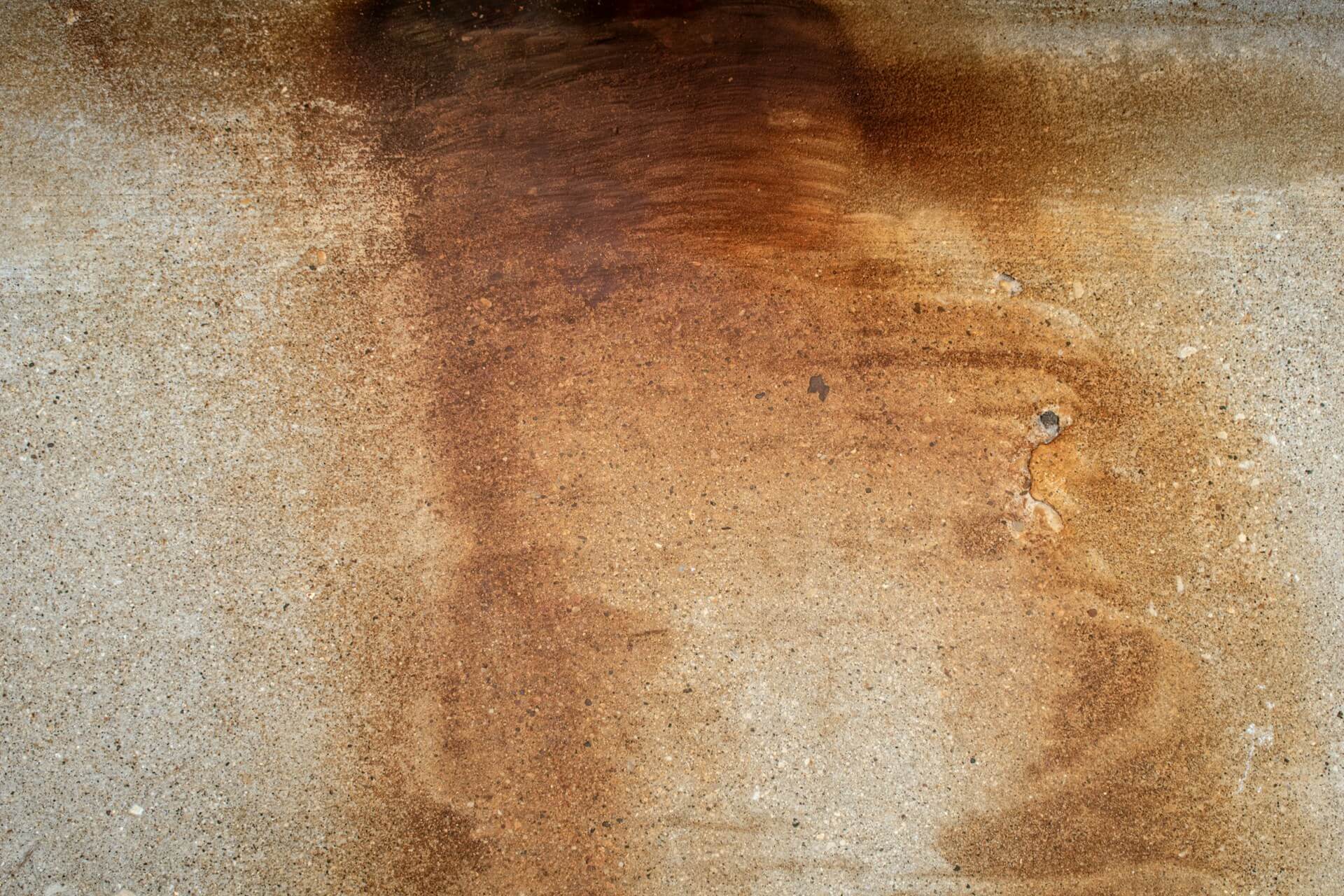
(How to get rid of leather stain) Alright, let’s take a deep breath. I know the urge is to grab the first cleaner you see and start scrubbing. But trust me on this: the single most important thing you can do for your leather is to understand it first. Think of it like a friendship you wouldn’t use the same advice for every friend, right? Leather is the same. Using the wrong method can cause more harm than the original stain, and we definitely don’t want that.
So, why is leather so fussy?
Leather 101: Why It’s So Vulnerable to Stains
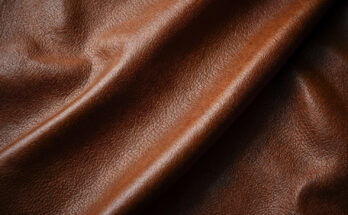
Imagine your favorite, most broken-in leather jacket. That soft, supple feel comes from the material being naturally porous it’s full of tiny, invisible pores, just like your own skin. These pores are what allow the leather to “breathe” and absorb conditioners that keep it from cracking. But this also means it can absorb spills just as easily. This is the core of all effective leather care: working with its nature, not against it.
A Simple Guide to Your Leather’s “Personality”
You don’t need to be a expert to figure this out. Here’s a quick way to identify your leather type:
-
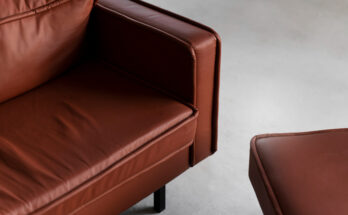
The Tough & Protected One (Smooth/Protected Leather): This is the most common type for sofas, car seats, and bags. It has a smooth, consistent finish and a protective clear coat. A good trick? A drop of water will bead up on the surface. This coating is your best friend when it comes to leather stain removal, as it gives you a little extra time to react.
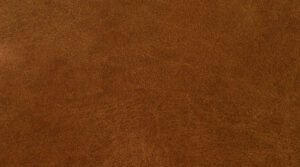
- The Natural & Sensitive One (Aniline Leather): This leather feels incredibly soft and natural because it has a very light finish. You might even see the hide’s natural markings. It’s beautiful but absorbs liquids almost instantly. If a water drop darkens the spot immediately, you’re likely dealing with this more delicate type.
-
The Soft & Fuzzy One (Suede & Nubuck): You’ll recognize these by their soft, brushed surface think suede jackets or some stylish boots. They are incredibly absorbent and require a gentle touch. Cleaning suede or nubuck is a different game altogether, and often, the best first step is to just take a breath and reach for a specialist brush.
The Golden Rules of Leather Rescue
Before we dive into solutions, let’s talk about the five golden rules. These are the “commandments” that will keep you from accidentally hurting your leather while you’re trying to help it.
-
Blot, Don’t Rub: This is the most important rule. Rubbing grinds the stain deeper into the leather’s pores. Always, always use a dabbing motion.
-
The Secret Test: Always test on a hidden area first like a back flap or under a cushion. This ensures your cleaner won’t cause discoloration.
-
Be Gentle: Use a soft, lint-free microfiber cloth. Avoid paper towels that can shred and scratch.
-
Start Simple: Begin with the mildest option (like a mild soap and water) before moving to stronger solutions. You can always get tougher, but you can’t take it back.
-
Contain the Stain: Work from the outside of the spill inward. This contains the mess and stops it from spreading.
Your 60-Second Emergency Response
The moments after a spill are critical. Your goal here isn’t to clean the stain completely, but to stop it from becoming a permanent disaster.
Your Immediate Action Protocol:
For a liquid spill, grab that microfiber cloth and start blotting immediately. Soak up as much as you can. For something greasy, gently scrape off any excess with the edge of a spoon. Don’t use any cleaners yet! This first step is all about damage control. By acting fast, you make the actual leather stain removal process so much easier.
Your DIY Leather Cleaning Kit
You don’t need a cabinet full of specialty products. You can tackle most common stains with a few simple home remedies for leather.
-
The All-Rounder: A few drops of mild soap (like Castile or dish soap) in a bowl of distilled water. Dampen your cloth, wring it out well, and wipe the stain. Follow with a cloth dampened with plain water to “rinse.” This is your safest first bet for removing stains from leather at home.
-
The Grease Fighter: For an oil stain, make a thick paste of baking soda and a little water. Spread it on the stain and let it sit for a few hours. The baking soda will draw the oil out. Then, just vacuum it up!
-
The Stain Lifter: For tricky ink stains, a little rubbing alcohol on a cotton swab can work wonders. Gently dab at the stain but you must test on a hidden area first, as alcohol can damage some finishes.
When to Call for Backup
Sometimes, a stain is too big, too old, or on too delicate a material. If you’ve tried the gentle methods without success, or if the piece is a valuable antique, it’s time to call a professional leather cleaner. There’s no shame in it! It’s better to trust an expert than to risk causing permanent damage to a treasured item.
The Final, Must-Do Step: Conditioning
After you’ve successfully cleaned the stain, your leather needs a drink! Cleaning can dry it out. Once the area is completely dry, apply a thin layer of a good leather conditioner. This will restore moisture and keep your leather supple, preventing future cracks.
Keeping Your Leather Looking Lovely
The best way to deal with a stain is to stop it from happening! Consider using a leather protectant spray to create an invisible shield against spills. Regular dusting with a dry cloth also goes a long way in keeping your leather in showroom condition.
Your Leather Stain Questions, Answered
Q: Can I use vinegar?
A: Yes! A 50/50 mix of white vinegar and water is a great DIY leather cleaner for general grime and disinfecting. Just test it first!
Q: How do I clean my leather car seats?
A: The same way! Identify if they’re smooth or suede, then use the mild soap solution or a dedicated leather cleaner for how to get stains out of leather car seats.
Q: What about old, set-in stains?
A: How to remove old stains from leather is tougher. Try rehydrating the area with conditioner first, then gently using the soap method. Patience is key.