Verdigris on Leather: Your Guide to a Spot-Free Clean
Finding a creepy, greenish-blue stain on your favorite leather bag can feel like a punch to the gut. That beautiful jacket, the perfect vintage satchel—suddenly, it feels ruined. If you’re frantically searching for how to remove verdigris from leather, take a deep breath. You’re not alone, and the situation is often far from hopeless.
First things first, let’s demystify what you’re dealing with. That green stuff on your leather has a name: verdigris. It’s not a sign that the leather itself is rotting, and it doesn’t mean you’ve done anything wrong. Think of it as a messy guest that came from a party next door. The real source of the problem is almost always the metal—the brass buckle, the copper rivet, the bronze zipper pull. When that metal hardware reacts with moisture in the air and the natural salts from your hands, it creates this distinctive crusty or powdery stain, which then transfers onto the leather.
So, before you worry that your treasured item is permanently damaged, know this: successfully cleaning verdigris off leather is less about harsh scrubbing and more about a gentle, understanding approach. This guide is designed to walk you through that process, step-by-step. We’ll cover everything from identifying your leather type to a safe cleaning method that protects the material, ensuring you can restore leather to its former glory without causing further harm. Whether you’re dealing with a modern handbag or tackling vintage leather care on a family heirloom, the principles of patience and the right technique are your best tools. Let’s roll up our sleeves and get your leather looking beautiful again.
What is Verdigris, Anyway?
Imagine you see rust on an old bicycle that’s iron reacting with air and water. Verdigris on leather is similar, but it’s the signature corrosion of copper, brass, and bronze. When the metal buckles or rivets on your bag or jacket get exposed to moisture and air over time, they develop a greenish-blue crust called verdigris.
This crust then rubs off onto the adjacent leather, creating those stubborn stains. So, it’s not the leather itself that’s decaying; it’s a transfer from the metal. Understanding this “metal vs. leather” distinction is your first step to a successful clean, because you’ll need to treat both parts separately.
Why You Shouldn’t Ignore It
You might be tempted to just live with a small spot, but it’s best to tackle cleaning verdigris off leather as soon as you can. Why? Because verdigris is mildly acidic. If left sitting on the leather for months or years, that acidity can slowly eat into the natural fibers, drying them out and making them brittle. What starts as a surface stain can, over time, lead to permanent discoloration or even cracking. Acting quickly isn’t just about looks; it’s about preserving the healthttps://whatisleather.com/category/classy-h and longevity of your leather goods. A little proactive leather care now can save you from irreversible damage later.
Your Pre-Clean Checklist
Before you touch a single cleaner, follow this quick list to ensure you don’t accidentally cause harm. First, identify your leather type. Is it a common, coated finished leather (easy to wipe) or a more delicate suede or antique leather? Second, perform a spot test.
Always apply your chosen cleaner to a hidden area first and wait for it to dry to check for discoloration. Third, assess the value. A modern belt allows for more experimentation than a priceless vintage leather heirloom. This two-minute checklist is the most important step in learning how to remove verdigris from leather safely.
Your Leather Cleaning Toolkit
You don’t need fancy chemicals. For a successful verdigris removal, gather a few gentle items: soft microfiber cloths, cotton swabs for precision, distilled water (tap water can leave mineral spots), and a mild leather cleaner like saddle soap or a pH-balanced product like Lexol.

For the metal part only, you’ll need a mild acid like white vinegar or lemon juice. Remember, products like Neatsfoot oil are for conditioning after the clean, not for removing the stain itself. Having the right tools makes the process of how to clean leather effectively much simpler and safer.
The Core Cleaning Method
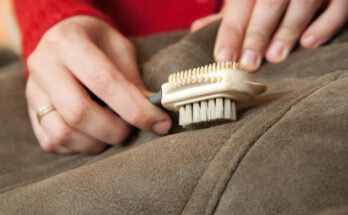
Here’s your step-by-step guide to remove verdigris. First, do a dry brush with a soft cloth to remove loose powder. Next, dampen another cloth with distilled water and a tiny bit of leather cleaner. Gently wipe the leather around the stain. Now, for the metal: dip a cotton swab in vinegar and carefully dab only the hardware to dissolve the tarnish.
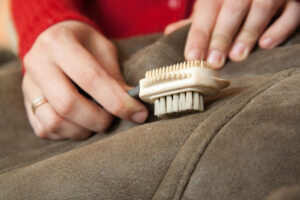
Be careful not to get vinegar on the leather. Finally, go back to the green stain on the leather and gently dab it with just water or leather cleaner. Let it air dry completely, away from heat.
Special Care for Antique Leather
If you’re cleaning antique leather, the rules change. Your goal is preservation, not aggressive cleaning. Be extra gentle. Often, just using a soft, dry cloth or one slightly dampened with distilled water is enough.
Avoid using vinegar on the metal if you can, as it can be hard to control. For a fragile leather rifle sling or a valuable family heirloom, the risk of damage is high. If the stain doesn’t lift with gentle methods, it’s best to stop and call a professional conservator. It’s better to have a small stain than a ruined piece.
What NOT to Do
In your quest to get rid of green stuff on leather, you’ll find bad advice. Please avoid these common mistakes. Do not use ketchup; the sugar and dyes can stain the leather. Do not use harsh chemicals like bleach or ammonia, which will strip and discolor the material.
Do not scrub aggressively, as this will scratch the surface. And do not soak the leather, as too much water can warp it. Sticking to gentle, proven methods is the only safe way to treat brass tarnish on leather and the stains it causes.
Post-Cleaning Care
Once your item is fully dry and the verdigris is gone, it’s time to restore moisture. Cleaning can dry out leather. Apply a thin layer of a quality leather conditioner, like a dedicated cream or a light application of Neatsfoot oil (knowing it may darken the leather). This crucial step in leather care replenishes natural oils, keeping the material supple and strong. A well-conditioned piece is also more resistant to future moisture, helping you prevent verdigris from forming again.
How to Prevent Verdigris
The best strategy is to stop verdigris before it starts. To protect leather from tarnish, store your items in a cool, dry place with good airflow. You can buy anti-tarnish strips to place in your closet or storage boxes; they work wonders by absorbing the compounds that cause corrosion.
Regularly wiping down metal fittings with a soft, dry cloth after use also helps. Consistent, simple leather storage tips like these are your best defense against ever having to deal with this green nuisance again.
FAQ & Conclusion
Q: Is verdigris permanent?
A: Not always, but it can be if left for a very long time. Quick action gives you the best chance.
Q: Can I use vinegar on the leather?
A: No. Vinegar should only be used with extreme precision on the metal hardware itself.
We hope this guide helps you rescue your leather with confidence. Remember, if the stain is large or the piece is exceptionally valuable, there is no shame in seeking professional help. Knowing when to call a pro is the smartest leather care decision you can make.