Don’t Panic Here’s Your Action Plan
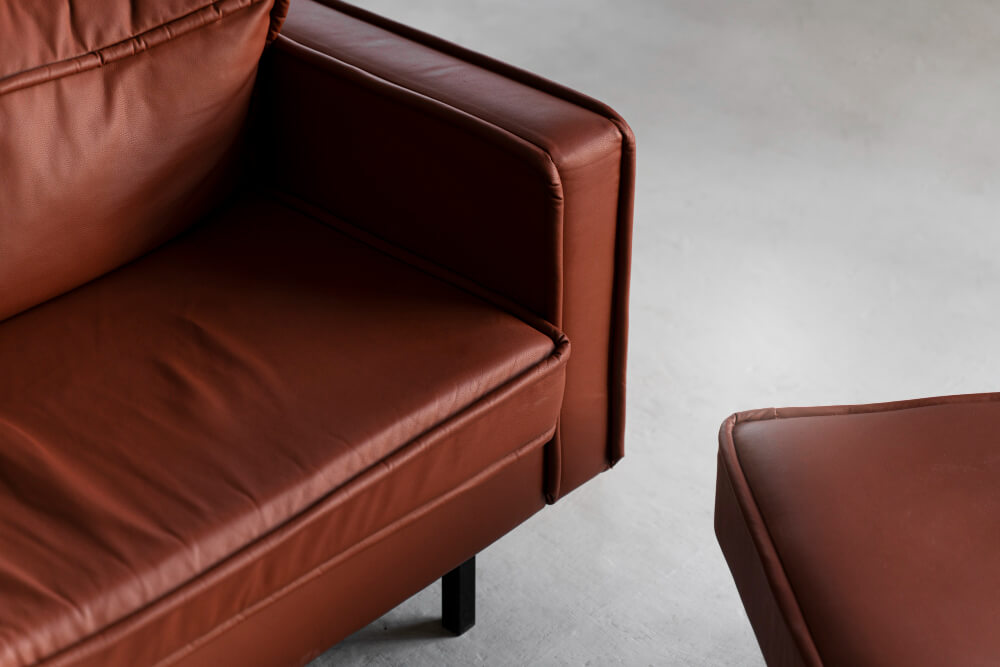
(How to remove gum from leather seats) We’ve all been there. One careless moment a stray piece of chewing gum on a hot day, a forgotten candy in a pocket and suddenly you’re faced with a sticky, gooey mess ground into your beautiful leather car seat or your favorite sofa. That initial sinking feeling is completely normal. Your mind might race with questions: “Will this stain forever?” “What can I possibly use without ruining the leather?”.
Take a deep breath. You’ve found your solution. Removing gum from leather is a common and completely solvable problem. While it might seem like a disaster, with the right approach, you can lift that gum away and restore your leather to its original, pristine condition. The secret isn’t in using brute force or harsh chemicals; it’s about understanding a few simple, safe methods that work with the properties of the leather and the gum itself.
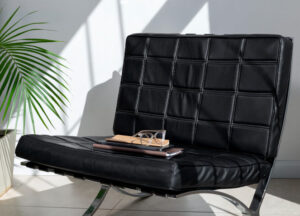
This guide is your definitive, step-by-step partner through the entire process. We’ll walk you through the absolute safest way to start the freeze and scrape method which uses simple ice to harden the gum for easy removal. Next, we’ll cover the popular oil-based techniques, like using peanut butter or common cooking oils, that gently dissolve sticky residue. Finally, we’ll discuss commercial leather-safe products for more stubborn situations.
Most importantly, every step is designed with one core principle in mind: safety for your leather. We’ll emphasize the crucial “spot test” and provide clear warnings on what not to do, so you can tackle this cleanup with confidence, not anxiety. Let’s turn that moment of panic into a success story.
Section 2: ⚠️ The 60-Second Safety Check (Your Leather’s Best Friend)
Before you do anything, this one step is non-negotiable. Leather is a delicate material, and its finish can react differently to oils, cleaners, and even ice. To clean gum off leather without damaging it, you must do a spot test.
Find a hidden area, like under the seat or on a back corner. Apply a tiny dab of whatever substance you plan to use whether it’s peanut butter, oil, or a commercial cleaner to a clean cloth and gently rub the hidden spot. Wait 5-10 minutes. Check for any color transfer or change in texture. If it looks good, you’re clear. This simple test is the only way to guarantee a safe way to remove gum from leather.
What You’ll Need (Your Gum-Fighting Toolkit)

You won’t need special gear. Gather these simple items:
-
Ice Cubes in a plastic bag or a can of compressed air (held upside-down, it freezes).
-
A Dull Plastic Scraper like a credit card never metal!
-
A Dissolving Agent: smooth peanut butter, mineral oil, or leather conditioner.
-
Soft Microfiber Cloths.
-
Gentle Leather Cleaner & Conditioner (for the essential aftercare).
Method 1 – The Freeze & Scrape (Safest First Step)
This is the best first try for removing gum from leather seats. It adds no chemicals.
-
Hold the ice-filled bag directly on the gum for 3-5 minutes.
-
The gum will harden and become brittle.
-
Use your plastic card to gently scrape and lift it off in pieces.
It’s perfect for fresh gum on smooth surfaces.

Method 2 – The Oil Dissolve (For Stubborn, Ground-In Gum)
If the gum is old or squished in, oils can break it down. This is the classic peanut butter remove gum leather trick.
-
Rub a pea-sized amount of your oil or peanut butter onto the gum.
-
Let it sit for 10 minutes to penetrate.
-
The gum should now roll away like putty. Wipe the area clean.
Tip: Plain mineral oil works without peanut butter’s scent or sugar.
Method 3 – The Commercial Product (Last Resort)
For the toughest jobs, a product like Goo Gone Automotive can work. Crucial: Only use formulas labeled safe for automotive upholstery.
-
Apply a small amount to a cloth, not directly on the leather.
-
Gently dab and rub the gum.
-
Immediately wipe the area clean with a damp cloth to remove all chemical residue.

The Order of Operations (Your Decision Flowchart)
Don’t guess. Follow this logic:
-
Always start with Freezing. It’s the least invasive.
-
If bits remain, switch to the Oil Dissolve method.
-
Only use a Commercial Product as a final step for leftover residue.
-
NO MATTER WHAT, proceed to Cleaning & Conditioning next.
The Critical Follow-Up (Cleaning & Conditioning)
Your job isn’t done when the gum is gone. You must remove the cleaner itself.
-
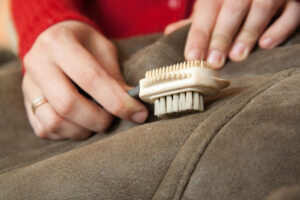
Clean: Use a gentle leather cleaner on a cloth to wipe the entire area, removing all oil or product residue.
-
Condition: Apply a leather conditioner to restore moisture and prevent cracking. Buff softly.
This leather aftercare is what makes the repair last.
What NOT to Do (5 Costly Mistakes)
Avoid these to prevent permanent damage:
-
Sharp Tools (knives, razors) – they will cut the leather.
-
Harsh Solvents (acetone, nail polish remover) – they strip color and finish.
-
Direct Heat (hair dryers) – can bake the gum in and warp leather.
-
Abrasive Scrubbing – scratches the surface.
-
Skipping the Spot Test – the #1 rule for a reason.
Beyond Gum (Handling Other Stains)
Now that you can get gum out of leather, here’s a quick tip for other common issues:
-
Ink or Dye Transfer: Try a dedicated leather ink remover or a mild soap solution. Always test first.
-
Grease/Oil: Sprinkle with cornstarch to absorb, leave overnight, then brush off.
Frequently Asked Questions
Q: Will peanut butter stain my leather?
A: It can, especially on light-colored or porous leather. The spot test is vital. Using plain mineral oil avoids this risk.
Q: What if the gum is rock hard and ancient?
A: Start with the freeze method to make it brittle. For any remaining film, use the oil method to soften it before gently wiping away.
Q: Can I use Goo Gone on leather car seats?
A: Only use the “Automotive” formula and follow the label exactly. Always clean and condition the area immediately after.
Conclusion & Final Thought
Successfully removing gum from leather is about patience and the right gentle techniques. Start with freezing, use oils for residue, and always finish by cleaning and conditioning your leather. By acting carefully, you’ll fix the problem and keep your leather looking its best for years to come. You’ve got this!