What is Pebble Leather? A Complete Guide to This Durable and Textured Material
(what is a pebble leather) If you’ve ever shopped for a handbag, wallet, or pair of shoes, you’ve likely come across the term “pebble leather” and wondered what it actually means. The name conjures images of smooth, rounded stones, and that’s not far from the truth. Pebble leather, sometimes called pebbled leather or pebble-grain leather, is a type of leather characterized by its distinct textured surface that resembles small, rounded pebbles . This unique finish isn’t just about aesthetics it’s a practical choice that combines visual appeal with impressive durability.
In this guide, we’ll explore everything you need to know about pebble leather: what it is, how it’s made, why it’s so popular, and how to care for it properly. Whether you’re considering a new purchase or want to understand your favorite leather item better, this comprehensive overview will help you appreciate this versatile material.
Understanding Pebble Leather: More Than Meets the Eye
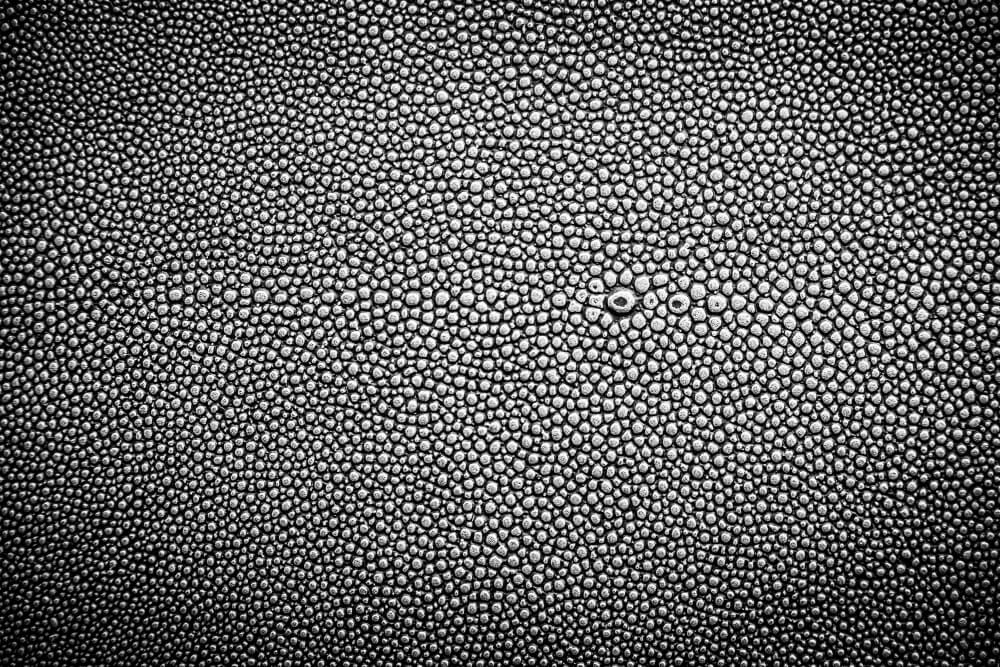
At its most basic level, pebble leather refers to any leather genuine or faux that has been given a textured finish featuring small, raised bumps across its surface . The texture is designed to mimic the appearance of tiny stones grouped together, creating a surface that’s both visually interesting and tactilely pleasing .
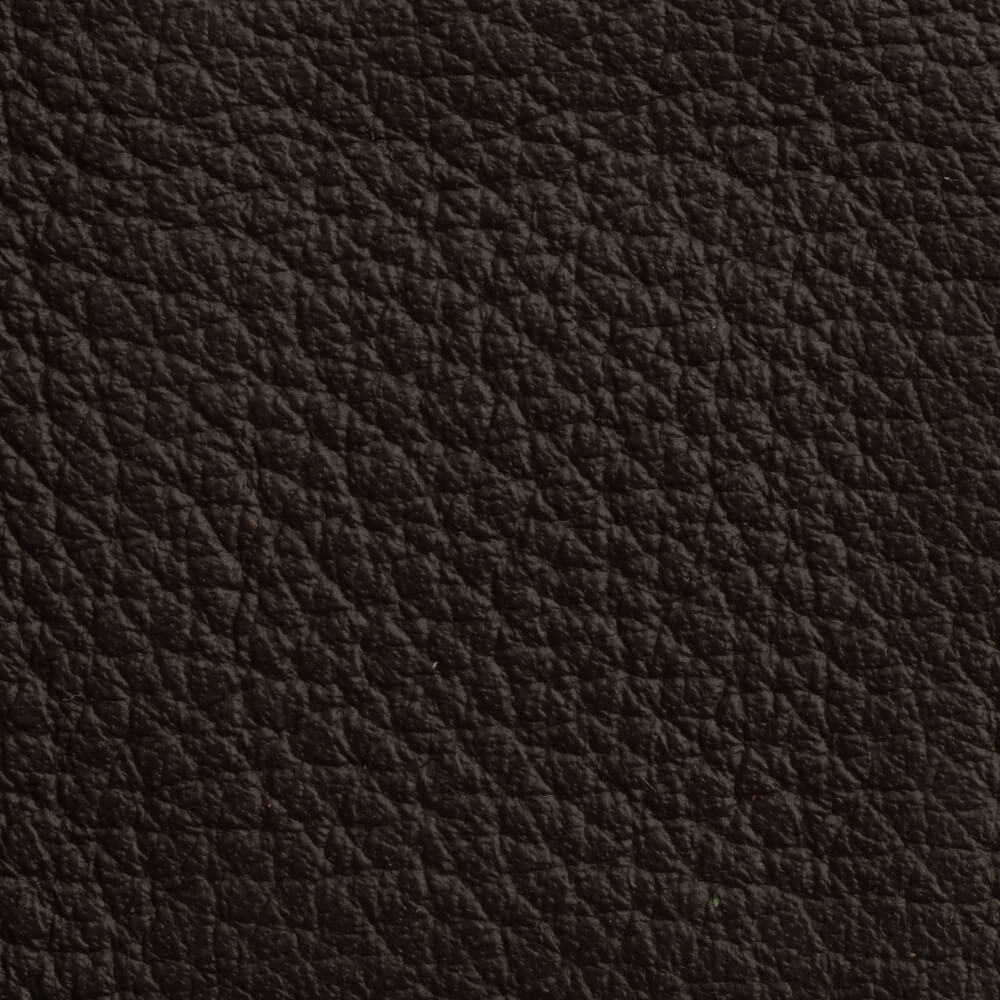
The term “pebble” in this context comes directly from the geological definition: a small, rounded stone worn smooth by water . When applied to leather, it describes a surface grain with a pebbly appearance that’s been artificially produced through manufacturing processes .
The Rich History of Pebble Leather
The technique of creating textured leather isn’t a modern invention. According to Scottish legend dating back possibly to the 18th century, pebbled leather was discovered quite by accident . The story goes that a tanner left a pile of animal skins on the rocky, uneven floor of his workshop. After several weeks, he discovered that the bottom hide had been permanently imprinted with a pebbled design from the weight of the other skins pressing down on the rough surface. The term “Scotch-grain” remains an alternative name for pebbled leather, lending some credibility to this origin tale .
By the 19th century, the process had been mechanized and patented. In 1864, C.T. Woodman of Boston, Massachusetts filed a patent for a machine designed to improve the “pebbling” of leather, transforming what had been a slow, manual process into an efficient industrial technique . This innovation revolutionized leather production and made textured leather widely available.
The early 20th century saw pebbled leather adopted for casual men’s shoes like loafers and derbies, and it eventually made its way into high fashion through iconic designs from luxury houses like Chanel and Gucci .
How Pebble Leather Is Made
For Genuine Leather
Creating pebble leather from genuine animal hides involves several precise steps :
-
Tanning: The raw hide undergoes traditional tanning processes to preserve and prepare it for further treatment.
-
Dyeing: Once tanned, the leather is colored using various dyes. This stage offers tremendous flexibility colors can be brand signatures, seasonal offerings, or custom selections chosen by artisans.
-
Pressing (Embossing): This is the defining step. The leather passes through machinery fitted with large metal plates engraved with the pebble design in reverse. With tremendous force, these plates press into the leather, creating a permanent, uniform pebbled pattern across the surface .
-
Finishing: Finally, a clear protective coating is applied. This treatment guards the leather beneath while adding scratch and water resistance. Additional layers might be included to create specific visual effects like soft sheen or enhanced color depth .
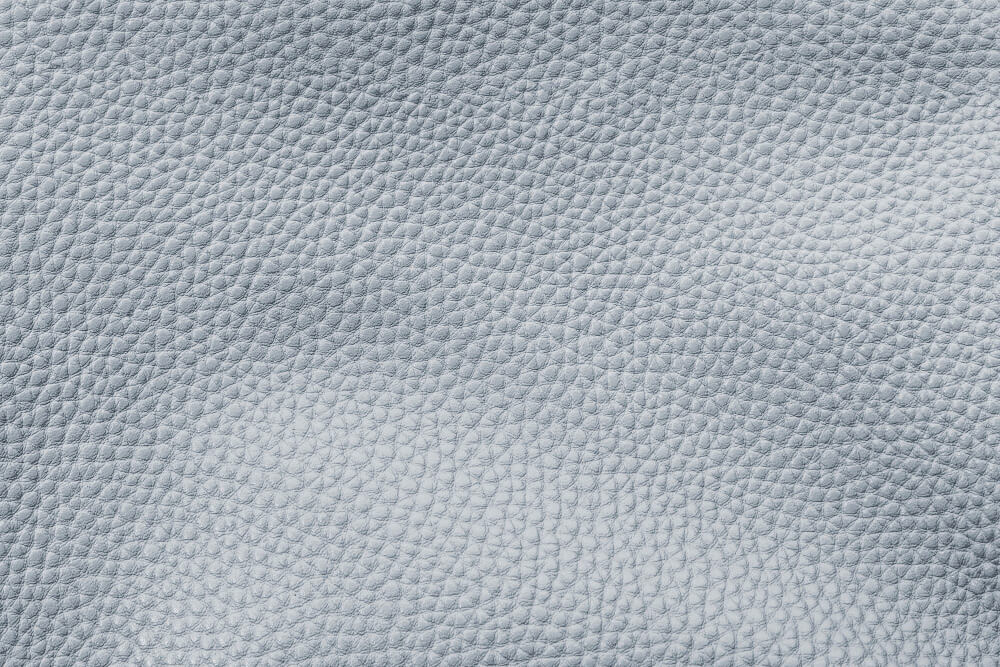
An interesting sustainability note: pebbling allows manufacturers to use hides that might otherwise be rejected due to surface imperfections like scars or bite marks . The texturing conceals these “flaws” while the leather remains structurally strong, reducing waste in the industry.
For Faux Leather
Synthetic pebbled leather follows a different production path :
-
Mixing: Plastic components (typically polyurethane or polyvinyl chloride) are combined with color dyes and other additives in a thick liquid mixture.
-
Extrusion: This mixture is extruded onto a backing material often paper, cotton, or polyester which provides stability and determines the final product’s flexibility.
-
Stamping/Embossing: The pebbled texture is applied to the surface through stamping or embossing, creating a consistent pattern that mimics genuine leather grain.
-
Finishing: A protective topcoat adds water resistance, scratch protection, and sometimes even leather-like scents to enhance authenticity.
Is Pebble Leather Real Leather?
This is a common question, and the answer is: it depends. Pebbled leather can be made from either genuine leather or synthetic materials .
Genuine pebbled leather starts with real animal hide often full-grain (the highest quality portion) or split leather that undergoes the embossing process described above . The texture can help conceal natural variations or minor imperfections while preserving the leather’s strength and durability.
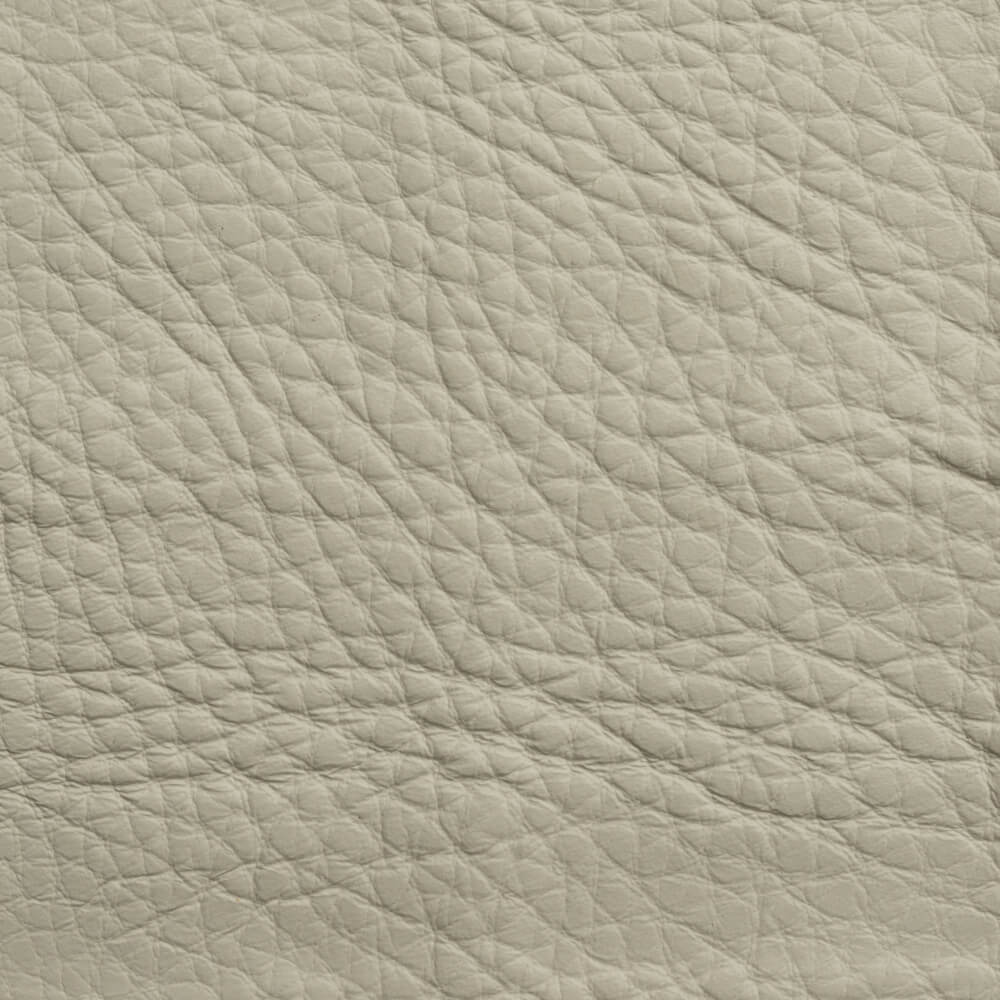
Faux pebbled leather is entirely synthetic, created through the plastic-based process outlined earlier. While it mimics the look and feel of real pebbled leather, it lacks the natural characteristics and aging properties of genuine hide.
When shopping, always check product descriptions for terms like “genuine leather,” “top-grain,” or “full-grain” to understand exactly what you’re buying. Many reputable brands, like Dooney & Bourke, clearly specify that their pebble leather collections use authentic European leather .
Key Benefits of Pebble Leather
1. Exceptional Durability and Scratch Resistance
The most celebrated advantage of pebbled leather is its ability to hide wear and tear . The textured surface naturally camouflages scratches, scuffs, and minor abrasions that would be glaringly obvious on smooth leather . Light scatters across the dimpled surface rather than reflecting off a uniform plane, making daily wear nearly invisible .
This resilience makes pebbled leather ideal for:
-
Daily commuter bags
-
Travel luggage
-
Items that frequently contact rough surfaces
-
Busy lifestyles with minimal maintenance time
2. Low Maintenance
Unlike smooth leathers that demand regular conditioning and careful handling, pebbled leather is remarkably forgiving . Most quality pebbled leathers receive protective coatings during finishing that repel water and resist staining . A simple wipe with a damp cloth usually suffices for routine cleaning .
3. Water Resistance
Many pebbled leather items, particularly from heritage brands, are treated specifically for water repellency . Light rain often rolls right off the textured surface without penetrating a feature famously demonstrated by Dooney & Bourke’s “All Weather Leather” collection introduced in the 1980s .
4. Environmental Efficiency
As mentioned earlier, embossing allows manufacturers to utilize hides that might otherwise be discarded due to cosmetic imperfections . This practice reduces waste in the leather industry and makes pebbled leather a more sustainable choice than some might realize.
5. Consistent Appearance
The embossing process creates a uniform texture across the entire product . Unlike natural leather grains that can vary significantly between different areas of a hide, pebbled leather offers predictable, consistent aesthetics appealing to those who prefer uniformity.
6. Versatile Style
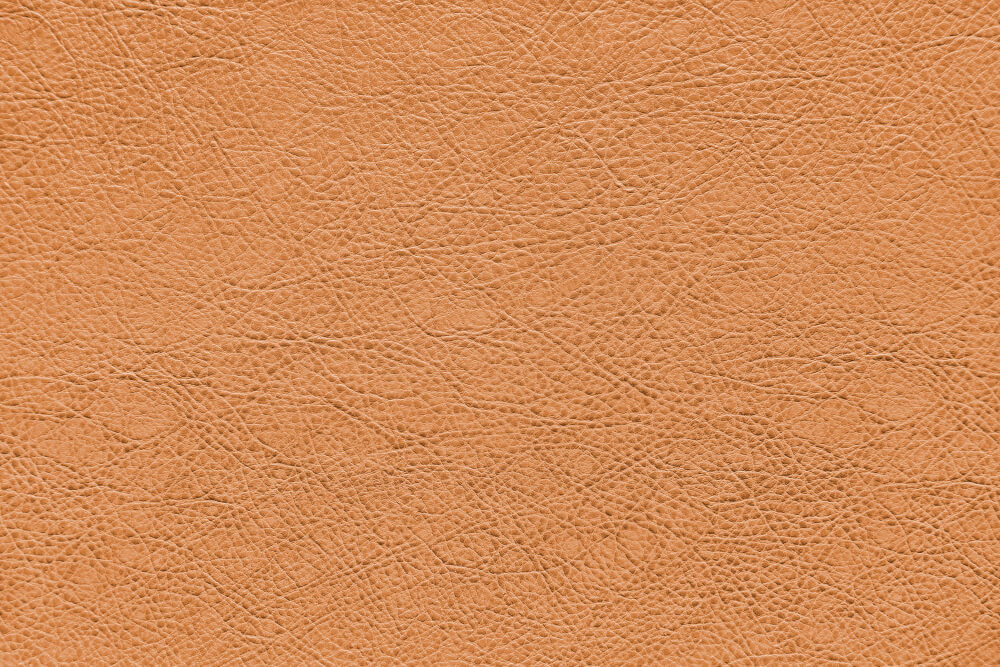
Pebbled leather strikes a perfect balance between casual and refined . It’s dressy enough for professional settings yet relaxed enough for everyday wear. The texture adds visual interest without being flashy, making it compatible with virtually any wardrobe.
Common Uses of Pebble Leather
Pebbled leather appears across an impressive range of products :
-
Handbags and totes: Particularly popular for everyday carry styles
-
Wallets and small leather goods: Where durability against constant handling matters
-
Footwear: Loafers, oxfords, boots, and casual sneakers
-
Belts and accessories
-
Briefcases and travel bags
-
Upholstery: Furniture, car seats, and bar stools
-
Sports equipment: American footballs use pebbled leather specifically to improve grip
Pebble Leather vs. Smooth Leather: Key Differences
Understanding how pebbled leather compares to smooth leather helps inform purchasing decisions :
| Feature | Pebbled Leather | Smooth Leather |
|---|---|---|
| Scratch visibility | Low texture hides marks | High shows every scratch |
| Fingerprint visibility | Low to invisible | High on glossy finishes |
| Water resistance | Moderate to high (often treated) | Low to moderate |
| Maintenance | Minimal occasional wiping | Regular conditioning needed |
| Aging | Subtle changes; retains original look | Develops patina; deepens over time |
| Formality | Casual to semi-formal | Semi-formal to formal |
| Durability perception | “Stays looking good” longer | Shows wear more honestly |
Caring for Your Pebble Leather Items
One of pebble leather’s greatest advantages is its straightforward care routine :
Daily Maintenance
-
After each use, gently wipe with a clean, dry cloth
-
Store in a dust bag when not in use
-
Keep away from direct sunlight and heat sources
-
Avoid placing on rough or dirty surfaces
Deep Cleaning (When Needed)
-
Slightly dampen a soft cotton cloth with distilled water (sodium-free seltzer water works too)
-
Apply a small amount of mild bar soap to the cloth
-
Clean in gentle circular motions
-
Wipe with a clean, damp cloth until no soap remains
-
Allow to dry completely at room temperature never use heat
What to Avoid
-
No leather creams, polishes, or conditioning products pebbled leather typically doesn’t need them
-
No harsh chemicals or solvents
-
No soaking or saturating with water
-
Keep away from dyes (pens, lipstick, newsprint) they can permanently stain
Emergency Care
If caught in rain: Gently blot (don’t rub) with a dry cloth, stuff with paper towels to maintain shape, and allow natural drying at room temperature .
For stains: Tend to spills immediately by blotting. For tougher stains, consult a leather care specialist .
Is Pebble Leather Right for You?
Pebbled leather offers an exceptional combination of beauty, durability, and practicality. Its distinctive texture adds character to any item while providing remarkable resilience against the wear and tear of daily life. For those who want leather goods that look great without demanding constant attention, pebbled leather is an ideal choice.
Consider pebbled leather if you:
-
Use your leather items daily
-
Prefer low-maintenance care routines
-
Live in variable climates (rain, humidity)
-
Want your purchase to maintain its appearance with minimal effort
-
Appreciate understated texture and visual interest
Smooth leather might suit you better if you:
-
Enjoy the ritual of leather care and conditioning
-
Want your item to develop a unique patina over time
-
Primarily use items for special occasions
-
Prefer a sleek, formal aesthetic
Ultimately, both options have their merits. Pebbled leather simply offers a more forgiving, carefree experience that aligns beautifully with modern, active lifestyles. Whether you’re investing in a handbag, a pair of shoes, or any other leather good, understanding what pebble leather brings to the table ensures you’ll make a choice you’ll love for years to come.