What is Nappa Leather? The Ultimate Guide to This Luxurious Material
(what is nappa leather) Have you ever run your hand over a buttery-soft jacket, a pair of supple gloves, or the sumptuous seats of a luxury car and wondered what makes that leather feel so incredibly smooth? Chances are, you’ve just experienced Nappa leather. It’s a term that gets thrown around in the worlds of high fashion and premium automobiles, but what exactly is it?
In short, Nappa leather is a byword for softness. It’s a type of leather, typically made from the hides of young animals, that’s processed to be exceptionally pliable and smooth while retaining its natural surface beauty. Let’s dive into the rich history and unique qualities that make this material so coveted.
The Origin Story: From California Gloves to Global Luxury
The story of Nappa leather begins not in a high-end fashion house, but in a tannery in California during the late 19th century. The name itself gives away its origin: it’s derived from Napa Valley .
In 1875, a German tanner named Emanuel Manasse was working for the Sawyer Tanning Company in Napa, California . At the time, he was focused on perfecting a process to create incredibly soft, durable leather for gloves. Using a combination of vegetable tanning agents and alum salts, he developed a unique method that produced a leather unlike any other at the time. It was smooth, strong, and remarkably soft to the touch .
The leather became a hit, and the name “Nappa” stuck, forever linking this luxurious material to its Californian birthplace. While the tanning process has evolved over the last century with modern tanneries often using chromium or aluminum sulfate salts to achieve the same softness the goal has remained the same: to create the softest, most supple leather possible .
What Exactly is Nappa Leather?
Technically speaking, Nappa leather refers to a type of full-grain leather that is exceptionally soft, smooth, and flexible . To truly understand what makes it special, it’s helpful to break down those key terms.
1. The Definition of Softness and Suppleness
The hallmark of genuine Nappa leather is its feel. It’s not stiff or board-like; instead, it’s buttery and pliable, almost like a second skin . This is achieved through careful selection of the raw hide and a specialized tanning process that preserves the natural softness of the material .
2. The Source: What Animals Are Used?
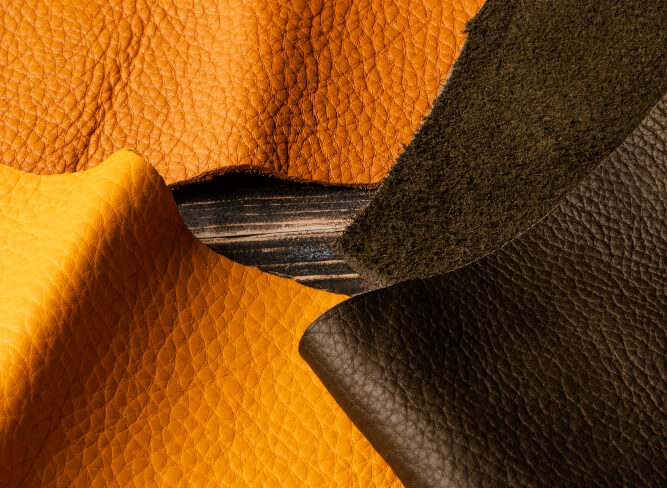
While the name comes from a place, the leather itself can come from various animals. The original Nappa was made from lambskin, kidskin (young goats), and sheepskin, prized for their naturally soft and fine-grained hides . Today, while these are still used for premium garments and gloves, Nappa leather is also commonly made from calfskin and cowhide . Cowhide Nappa is more durable and is often the material of choice for high-end furniture and car upholstery .
3. The Importance of “Full-Grain”
This is perhaps the most critical factor. Nappa leather is, by definition, a full-grain leather . This means that the surface of the hide is left in its natural state, with only the hair removed. It hasn’t been sanded, buffed, or “corrected” to remove natural imperfections like insect bites, scars, or growth marks.
Why does this matter? The grain is the strongest and most durable part of the hide, with densely packed fibers that allow the leather to breathe and develop a beautiful patina over time . Lesser grades of leather, often called “top-grain” or “corrected-grain,” have this natural surface sanded away to create a more uniform look, which unfortunately compromises strength and breathability. When you choose authentic Nappa, you’re choosing the very best layer of the hide .
The Telltale Signs: Characteristics of Real Nappa Leather
So, how can you tell if you’re looking at the real deal? Keep these qualities in mind:
-
Incredibly Soft Hand Feel: This is the number one characteristic. It should feel gentle, smooth, and warm to the touch, with no plasticky or sticky residue .
-
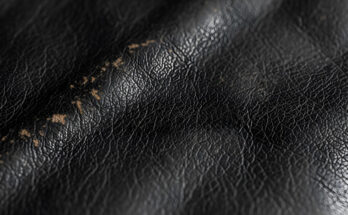
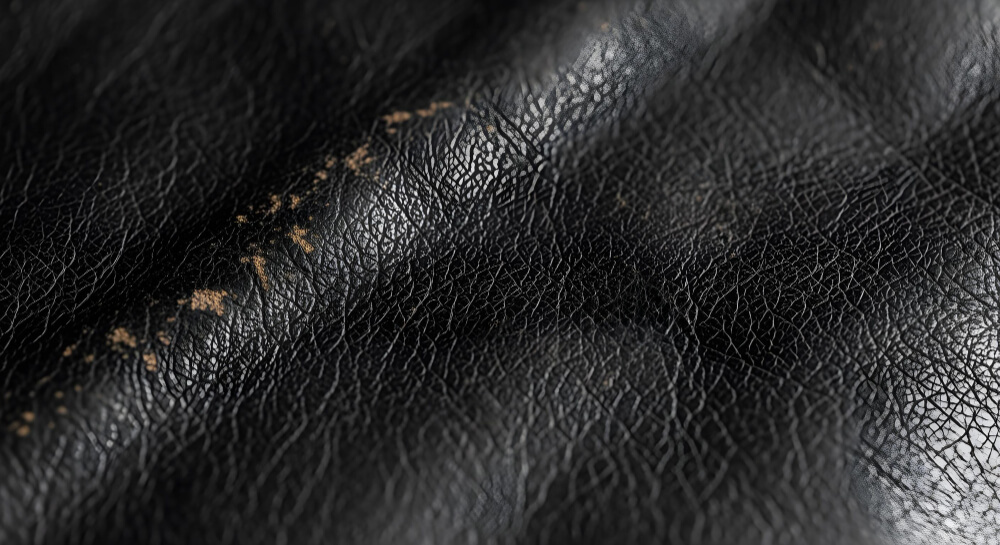
Natural Surface Texture: Because it’s full-grain, you should be able to see the hide’s natural, unique grain pattern. Small imperfections are not flaws; they are proof of authenticity. The surface is smooth to the touch but not unnaturally perfect .
-
Suppleness and Drape: It should be flexible and move easily. A Nappa leather garment will drape beautifully on the body, and an upholstered piece will conform gently to your shape .
-
Breathability: Unlike synthetic materials, genuine leather breathes. Nappa leather’s unsealed surface allows air to circulate, making it comfortable in various temperatures .
A Material of Many Talents: Common Uses of Nappa Leather
Thanks to its unique combination of softness, durability, and luxurious appeal, Nappa leather is used in a wide array of products .
-
Fashion and Accessories: This is where it all began. Nappa is a premier choice for high-end leather jackets, gloves, handbags, wallets, and shoes . A lamb Nappa jacket, for instance, offers unparalleled softness and lightweight comfort .
-
Luxury Automotive Interiors: Car manufacturers are some of the biggest fans of Nappa leather. You’ll find it adorning the seats, steering wheels, and dashboards of premium vehicles from brands like BMW, Mercedes-Benz, Porsche, Bentley, and Rolls-Royce . Its softness and breathable nature make long drives far more comfortable.

-
High-End Furniture: In the world of interior design, Nappa leather is used to upholster sofas and armchairs that are as comfortable as they are stylish. Its durability ensures it can withstand daily use while maintaining its luxurious look .
A Word of Caution: The Term Isn’t Regulated
It’s important to know that “Nappa” has become something of a marketing buzzword. Because there is no legally enforced standard for the term, it is sometimes used to describe leathers that aren’t genuine full-grain, or even synthetic materials (like polyurethane) that have been embossed with a fine grain to imitate the look and feel of real Nappa .
Always check the product specifications. A reputable manufacturer will be transparent about their materials. If a product claims to be Nappa leather at a surprisingly low price, it’s likely either a lower-grade corrected-grain leather or a synthetic imitation.
How to Care for Nappa Leather
To keep your Nappa leather looking beautiful for years, proper care is essential.
-
Protect from the Elements: Like all fine leathers, Nappa is sensitive to direct sunlight and heat, which can cause it to dry out and fade .
-
Cleaning: For garments, always follow the care label. Some recommend professional leather cleaning only. For a light refresh, you can wipe it with a slightly damp, soft cloth. If washing is advised (e.g., for a Nappa garment in a machine), use a cold, gentle cycle with a special wool or delicate detergent, and never put it in the dryer .
-
Conditioning: To keep it supple, use a high-quality leather conditioner periodically. This replaces natural oils lost over time and prevents cracking.
Conclusion: The Pinnacle of Softness
From its origins in a 19th-century Napa Valley tannery to its status as a hallmark of modern luxury, Nappa leather represents the pursuit of perfection in softness and quality. Its unique, full-grain construction offers an unmatched combination of tactile pleasure, natural beauty, and enduring durability. Whether on a favorite jacket or the seats of a dream car, Nappa leather brings a touch of timeless elegance to everything it touches.