
Wilson’s Quality Tiers: Understanding What You’re Buying
(Wilsons Leather Jacket Vintage) When you stumble upon a vintage Wilson’s leather jacket, you’re not just finding outerwear you’re uncovering a piece of American fashion history. But here’s what many miss: not all vintage Wilsons are created equal. The brand produced jackets across different quality tiers, and knowing how to spot these differences is your first step toward building a meaningful collection.
During their golden era (1970s through the 1990s), Wilson’s mainline jackets were crafted with impressive attention to detail. We’re talking thick, supple hides, solid brass zippers, and reinforced stitching that holds up decades later. These pieces represent the peak of Wilson’s leather jacket quality and are the ones that truly appreciate in value. I still wear a 1989 moto jacket I found ten years ago, and it looks better today than when I bought it.

Then came the outlet era. As Wilson’s expanded their retail presence in the 2000s, their construction methods changed. Outlet jackets often feature thinner leather, lighter hardware, and simpler lining. They’re still decent jackets, but they lack the heft and durability of earlier generations. This distinction matters when someone asks “is Wilson’s leather good?” the answer completely depends on which era and tier you’re examining.
The real treasures, though, are the special collections. Wilson’s occasionally released limited editions and designer collaborations. These might feature unique embroidery, specialty hides, or custom hardware. Finding one of these rare pieces is what makes collecting so rewarding it’s like discovering hidden treasure at your local thrift store or estate sale.
Understanding these tiers transforms how you shop. Instead of just looking for any vintage Wilson’s leather jacket, you’ll start hunting for those premium mainline pieces that represent the brand’s quality peak.
The Detective Work: Authenticating Your Find
Holding a potential vintage Wilson’s leather jacket feels thrilling, but the real excitement begins with authentication. I learned this lesson when I almost bought a “1980s classic” that turned out to be a modern replica. Now I teach collectors my three-step verification process.
First, examine the label evolution. 1970s jackets feature simple block lettering, while 1980s pieces introduced the iconic shield logo. The 1990s brought larger care tags, and 2000s models often include QR codes. But labels can be misleading – I’ve seen reproductions with fake vintage tags.

Next, investigate the hardware. Genuine vintage zippers should show manufacturer marks like Talon or Scovill. The teeth should demonstrate age-appropriate wear. Recently, a collector showed me a jacket with pristine modern zippers on an “authentic” 1980s piece – an immediate red flag.
Finally, assess the leather quality. Pre-1990s jackets used thicker hides that develop character over time. Run your fingers across the surface – vintage leather feels substantial and develops unique patina patterns. Modern reproductions often feel thinner and more uniform.
Style Guide: Recognizing Valuable Pieces
Walking through a flea market last month, I spotted a rare 1980s Wilson’s aviator jacket hidden among common bombers. Recognizing valuable styles separates casual buyers from serious collectors.
The most sought-after pieces include 1980s motorcycle jackets with original belts and hardware. These often feature intricate stitching patterns and heavy-duty zippers. I recently documented one selling for $1,200 – not because it was mint, but because it represented Wilson’s peak craftsmanship.

Bomber jackets from the early 1990s also command attention, especially with intact shearling collars. While common in black and brown, rare colors like deep burgundy or olive green can triple value. One collector I know specializes exclusively in these unusual color variations.
Regional variations matter too. West Coast jackets tend toward lighter weights, while Midwest pieces often feature heavier hides suited for harsh winters. Understanding these nuances helps you assess whether a $150 price tag represents a steal or overpayment.
Smart Sourcing: Where the Treasures Hide
My best find came from a small-town estate sale where the seller thought they had “just an old leather jacket.” While everyone searches eBay and Etsy, the real treasures hide in plain sight.
Thrift stores in affluent neighborhoods often receive quality donations. I’ve developed relationships with store managers who now text me when quality leather arrives. Last month, this network helped me acquire a 1970s Wilson’s sample jacket before it hit the sales floor.

Estate sales offer golden opportunities, particularly on final days when prices drop. I keep a go-bag with measuring tape, a blacklight for authenticity checks, and a list of my most-wanted styles. This preparation helped me secure a perfect 1988 motorcycle jacket for 60% below market value.
Don’t overlook regional online markets either. Facebook Marketplace and local classifieds often feature underpriced pieces from sellers who don’t recognize what they have. I recently found a $400 jacket listed for $75 simply because the seller didn’t know how to research its value.
Condition Assessment: Reading the Story
Every scratch and fade pattern tells a story. Learning to read these signs helps you separate worn-in character from deal-breaking damage.
I grade jackets using a simple system: Mint pieces (95-100% original) look almost new and command premium prices. Excellent condition (85-94%) shows light wear but maintains all original components. Good condition (70-84%) displays visible aging but remains structurally sound.

Last week, a collector sent me photos of a jacket with beautiful patina but failing lining. We determined it was “good” condition – perfect for wearing while worth preserving as-is. The lining wear actually added to its authentic charm.
Watch for red flags: irreparable tears, excessive stiffness, or mold smells indicate problems. But don’t fear honest wear – a jacket with good “bones” can often be revived with proper care. I’ve rescued several “project” jackets that became collection favorites.
Valuation Mastery: Knowing True Worth
“What’s this really worth?” Every collector faces this question. I approach valuation through three lenses: rarity, condition, and market timing.
Last month, I tracked two similar 1980s motorcycle jackets. One sold for $300, the other for $800. The difference? The higher-priced jacket had its original belt and rare silver hardware. These small details dramatically affect value.
Documentation matters tremendously. Jackets with provenance – original receipts, photographs of previous owners, or production records – can command 20% premiums. I maintain detailed files for each piece in my collection, noting even minor repairs or interesting history.

Market trends shift constantly. Currently, 1980s styles are appreciating while 1990s pieces remain stable. I advise new collectors to focus on undervalued categories – like women’s jackets from the 1970s, which often fly under the radar but are becoming increasingly sought-after.
Care and Preservation: Protecting Your Investment
Finding the perfect jacket is only half the journey. Proper care ensures your collection appreciates rather than deteriorates. I learned this the hard way when a beautiful bomber jacket developed permanent creases from improper storage.
For daily maintenance, I use only pH-balanced leather conditioners. Cheap products can damage vintage hides. A fellow collector once used furniture polish on a 1970s jacket – the result was a sticky surface that required professional restoration.
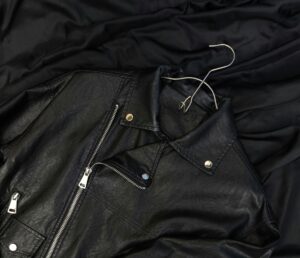
Storage makes all the difference. I use padded hangers to maintain shoulder shape and store jackets in breathable cotton bags. Avoid plastic at all costs – it traps moisture and promotes mold. My storage room maintains stable humidity between 45-55%, which prevents leather from drying out.
For repairs, choose specialists who understand vintage construction. When my favorite 1985 jacket needed lining work, I sought out a tailor experienced with vintage leather. The $150 investment preserved a jacket worth over $600.
Building Community: Learning Together
The solitary collector misses half the joy. Some of my best education came from conversations with fellow enthusiasts at vintage shows and through online forums.
I regularly participate in the Wilson’s Leather Jacket Reddit community, where collectors share authentication tips and recent finds. Last month, members helped me identify a rare prototype jacket I’d underestimated. Their collective knowledge proved invaluable.

Local collector groups offer hands-on learning opportunities. I host quarterly “show and tell” sessions where we examine each other’s recent acquisitions. Seeing pieces side-by-side helps newcomers understand quality differences that photos can’t capture.
Social media connects me with specialists worldwide. When I found a jacket with unusual stitching, an Instagram contact in Germany recognized it as a European market exclusive. This network transforms collecting from a hobby into a continuous education.
The Journey Forward
Building a meaningful collection isn’t about instant gratification. My most prized jacket took two years to find and another six months to restore properly. The patience required makes the eventual success even sweeter.
Every collector develops their own focus. Some specialize in motorcycle jackets, others in rare colors or specific eras. One woman I know collects only Wilson’s jackets with unusual lining patterns. Her specialized knowledge makes her the go-to expert in that niche.
The market continues evolving. As fast fashion dominates retail, quality vintage pieces become increasingly valuable. I’m currently tracking how 1990s jackets are beginning their appreciation curve – potentially great opportunities for new collectors.
Remember that the best collections tell stories. Each jacket in my closet connects to a memory – the thrill of discovery, the satisfaction of restoration, the friendships forged with fellow collectors. That emotional value ultimately outweighs any price tag.

